
From October 21 to 23, 2026, Green Net Finland participated in an eventful study trip to southeastern Poland as part of the Enercracy project. The intensive program included the Energy Transformation Conference in Rzeszów, a partner meeting in the Bieszczady mountain region, and site visits to the Solina pumped-storage hydroelectric power plant and the Krosno energy cluster.
Our Polish Enercracy colleagues had also seamlessly integrated another Interreg project, RENEWAT, into the program. The trip was a true worldview expander: we had the opportunity to network effectively with organizations from a total of 12 different countries. Flexibility, preparedness, overcoming barriers, and understanding the regional context were the themes that stood out most as we headed home.
Energy Transition and Energy Communities in the Spotlight in Rzeszów
Our journey began on October 21, 2026, at the Energy Transformation Conference held at the zen.expo center in Rzeszów, which was organized through the joint efforts of multiple EU projects and organizations.
It was gratifying to see how the solar park we witnessed firsthand during our study trip to Karlskrona, Sweden, a year ago was highlighted at the conference as an excellent example of a functioning energy community. It was also a unique experience to learn on a larger scale how the energy balance is implemented in Poland’s Subcarpathian region (Podkarpacie) and what role energy communities, hydropower, and regional energy clusters play in it.
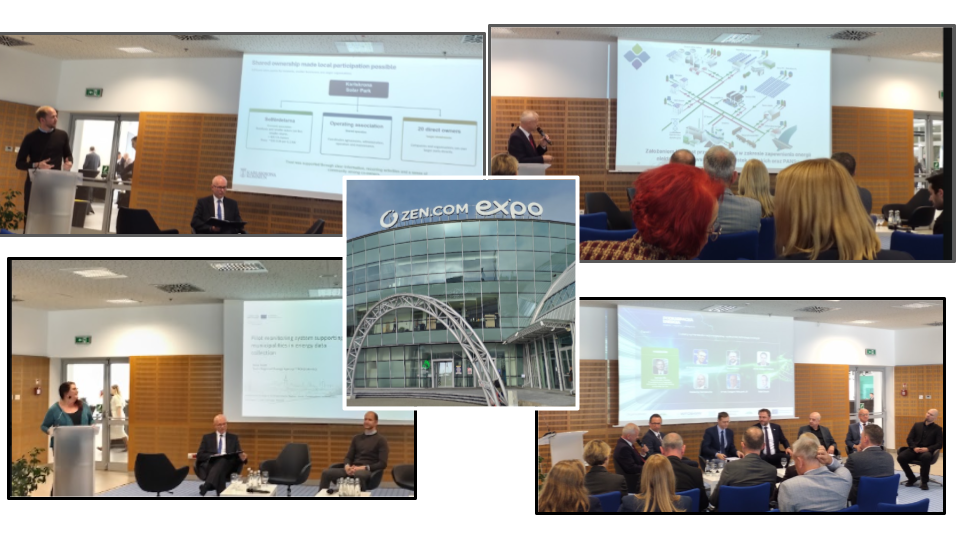
Photo 1: Atmospheres from the Energy Transformation Conference at the zen.expo center in Rzeszów.
Peer Review and Energy and Climate Plans in the Bieszczady Mountains
After the conference, we headed by bus into the stunning mountain scenery of the Bieszczady region, where both project consortium meetings were held alongside joint discussions on the role of hydropower in different countries.
At the Enercracy project consortium meeting, we focused on the upcoming peer-review process for energy and climate plans. The agenda featured a highly useful workshop on the topic, ”How to be a good peer reviewer?” Additionally, each participating country’s team listed three successes in their energy and climate plan development process, two barriers encountered, and one proposal for improvement.
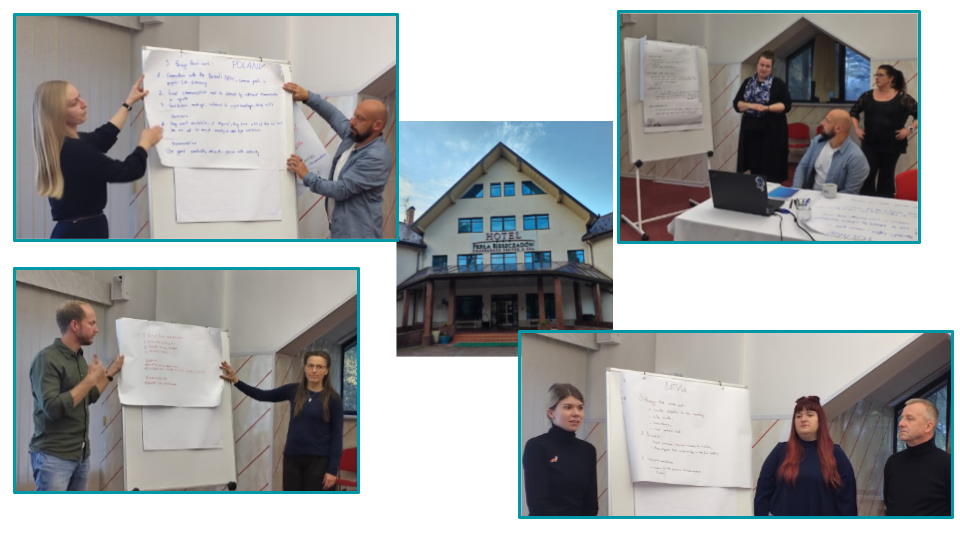
Photo 2: Working and exchanging knowledge during the partner meeting workshops in Bieszczady.
Solina Power Plant: Balancing Power, Flood Control, and Security of Supply
On Friday, October 23, 2026, the themes presented at the conference turned into practical observations during the study trip’s site visits. Our first destination was the Solina pumped-storage hydroelectric power plant and dam (Elektrownia Wodna Solina), located on the San River close to the Ukrainian border (only about 25–30 km as the crow flies).
Strict security measures were in place at the plant, and photography was prohibited as it is critical infrastructure. Solina is a massive and impressive structure – and at the same time a wonderful tourist attraction, especially during the autumn foliage season!
Fact Sheet: How does the Solina pumped-storage power plant work?
- Operating Principle: The plant operates by transferring water between two artificial reservoirs situated at different elevations. The upper reservoir (Jezioro Solińskie, approx. 22 km²) serves as the main water storage, while the lower reservoir (Jezioro Myczkowieckie) regulates river flow.
- Generation Mode (Peak Consumption): When electricity demand and prices are high, water is released from the upper reservoir through the turbines into the lower reservoir, generating electricity for the national grid.
- Pumping Mode (Energy Storage): During periods of cheap electricity generation, the pump-turbines pump the water back up to the upper reservoir to await the next peak.
- Capacity and Equipment: The installed capacity is approximately 200 MW (2 x Francis turbines + 2 x reversible Francis pump-turbines). The drop height is 40–60 meters.
- Significance: The plant can start up to full capacity in a matter of minutes, acting as balancing power for the power grid. Additionally, the dam protects the San River valley from floods.
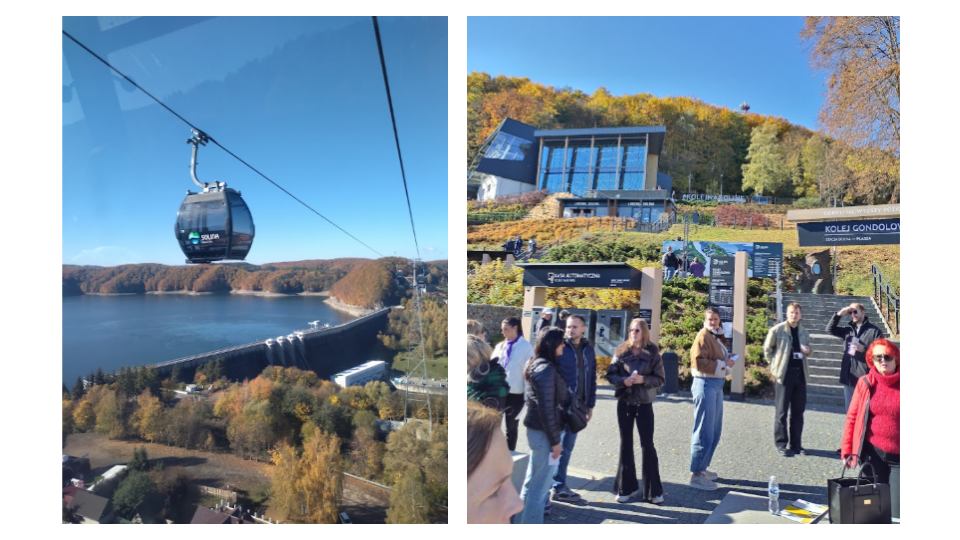
Photo 3: Magnificent scenery of the Solina reservoir and cable car views during the autumn foliage.
Krosno Energy Cluster: Local Balance and Circular Economy
Our second interesting site visit was to the city of Krosno and its municipal utility company (Krośnieński Holding Komunalny / MPGK Krosno). Krosno is located about 50 km south of Rzeszów. The city-owned company is responsible for local district heating, water supply, and waste management.
What particularly stuck with us from Krosno’s presentation and visit was how they define and understand the concept of an ”energy cluster.” In practice, they view the cluster as the active balancing of local energy consumption and production. A new circular economy element being added to this ecosystem is a waste-to-energy plant, whose construction work we got to visit. The commissioning of the plant is planned for next year.
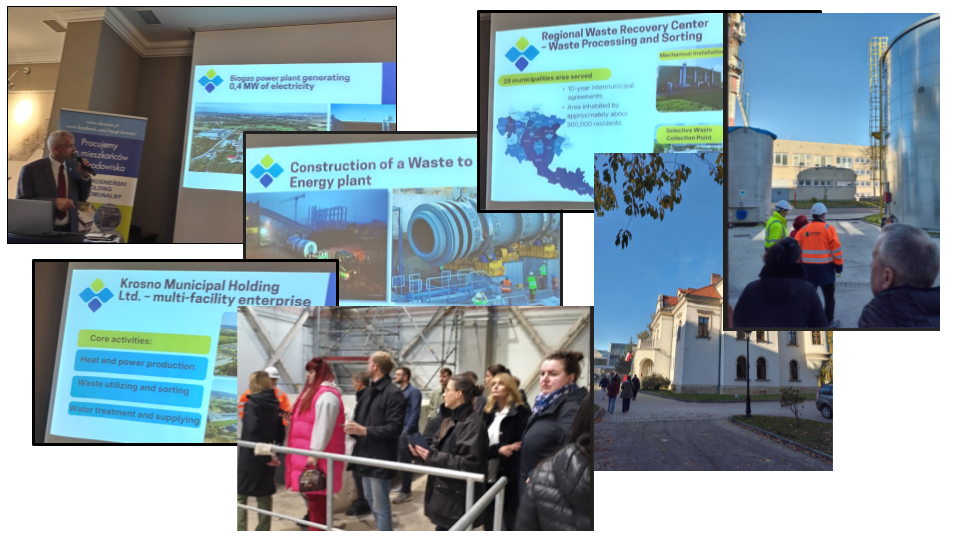
Photo 4: Getting acquainted with the operations of the Krosno municipal utility and the waste-to-energy plant under construction.
Background on the Polish Energy Market
The study trip also provided a general overview of the structure of Poland’s energy sector. The country’s energy sector is shaped by a combination of large state-owned enterprises and local actors:
- PGE (Polska Grupa Energetyczna): Poland’s largest state-managed energy group, which operates large power plants (such as Solina) and serves as one of the country’s five regional distribution system operators (PGE Dystrybucja). The national electricity transmission grid, on the other hand, is entirely managed by the state-owned company PSE.
- Local Municipal Utilities (such as Krosno): City-owned companies responsible for local district heating, energy production, and infrastructure, aligning their operations with the national grid.
Summary
Our trip provided a tremendous number of new perspectives, concrete examples, and valuable contacts for cross-disciplinary and international cooperation. Although good networking and a tight schedule were accompanied by a slight, continuous underlying tension due to geopolitics and the proximity of the border region, the trip went safely overall, and we returned home inspired.
A big thank you to the organizers and all participating partners!
Author: Evilina Vinonen | Green Net Finland (GNF) | Project Manager for the Enercracy project
The Enercracy project is co-funded by the Interreg Baltic Sea Region programme, which promotes international cooperation to solve common challenges and advance sustainable development across the region. The total budget of the project is €1,591,594.51 (with EU funding amounting to €1,273,275.59).